
8 Top Signs You May Need a Dental Crown
Think You Might Need a Crown? Here’s What Your Tooth Is Telling You.
If you live in the Omaha area and your dentist at Bel Drive Dental suggests a crown (also called a “cap”), you might wonder: “Do I really need one?” This blog is designed to guide you through the process of when a crown is needed, why it’s essential, and what to expect, with local context for Omaha and Bel Drive Dental.
(Note: This is general information. Always follow the specific recommendation of your dentist based on your own exam.)
What is a Dental Crown?
A dental crown is a custom-made covering that fits over a damaged or weakened tooth, restoring its shape, size, strength, and appearance.
Dentists often recommend crowns because:
-
They protect a tooth that’s too weak for a normal filling.
-
They cover a tooth that has had a root canal (since it may be more brittle).
-
They fix a tooth that is cracked, broken, or deeply worn down.
-
They improve aesthetics when a tooth is severely discolored or misshapen.
For patients in Omaha, dental practices like Bel Drive Dental highlight these common reasons to consider a dental crown.
What Are the Signs that I Need a Dental Crown?
Here are some red flags or indicators that may make you a good candidate for a crown, especially if Dr. Nielsen or Dr. Krajicek has noted one or more of these.
- Large decay or damage (decay affecting most of the tooth structure)
- Why this matters: If a cavity is too big for a filling to restore reliably, a crown gives full coverage and prevents further breakdown.
- Cracked, fractured, or broken tooth
- Why this matters: Cracks allow bacteria to enter and weaken the tooth; a crown helps stabilize and protect it.
- Large or worn-out filling
- Why this matters: When a filling is very large (say, more than ~50% of the tooth width) or failing, the remaining tooth structure may not hold up—so a crown becomes the better long-term solution.
- Root canal-treated tooth
- Why this matters: After a root canal, the tooth is often more brittle and prone to fracture; many dentists recommend a crown to protect it.
- Hold a dental bridge in place
- Why this matters: A dental bridge is used to replace one or more missing teeth. The bridge is made up of an artificial tooth (or teeth) that’s anchored by crowns on the natural teeth on either side of the gap. These supporting crowns—called abutment crowns—are cemented to your existing teeth to securely hold the bridge in place. Without the stability of those crowns, the bridge wouldn’t have the strength or structure to function properly when you chew or speak.
- Cover a dental implant
- Why this matters: When you replace a missing tooth with a dental implant, the implant itself is a small titanium post that fuses with your jawbone. However, the visible part of your smile, the part that looks and functions like a tooth, is actually a custom dental crown that’s attached to the top of that implant.
This crown is designed to match the color, shape, and bite of your surrounding teeth, giving you a strong, natural-looking replacement that restores your full smile.
- Why this matters: When you replace a missing tooth with a dental implant, the implant itself is a small titanium post that fuses with your jawbone. However, the visible part of your smile, the part that looks and functions like a tooth, is actually a custom dental crown that’s attached to the top of that implant.
- Severe wear or grinding (bruxism)
- Why this matters: Teeth worn thin or flat have less protective enamel and less structural support; a crown helps rebuild form and function.
- Cosmetic concerns (severe discoloration, misshapen tooth)
- Why this matters: If aesthetics are a priority and the tooth is significantly compromised, a crown can address both strength and appearance
Questions to Ask Your Dentist at Bel Drive Dental
Before committing to a crown, ask your dentist or dental team these questions to ensure it’s the right next step for you.

✓ Can you show me the X-ray or digital scan of the tooth and explain why a filling wouldn’t work? At Bel Drive Dental, we have experienced treatment coordinators to walk you through your diagnosis.
✓ Is there a fracture or crack that might lead to worse problems if not reinforced?
✓ How much tooth structure remains? Do I have enough healthy tooth structure to support a crown?
✓ What type of crown material do you recommend (porcelain, ceramic, zirconia, metal-alloy, etc), and why?
✓ How long do you expect the crown to last, and what are the risks if I delay?
✓ What is the process (number of visits, temporary crown, etc)? And what are the costs and insurance implications (especially for Omaha patients)?
✓ What care is required afterward to maintain the crown?
What Happens if I Put Off Dental Crown Treatment?
Delaying a crown when your tooth condition warrants one can lead to:
- Increased risk of tooth fracture or breakage, possibly requiring extraction or more complex treatment.
-
Infection spreads deeper if cracks or decay reach the pulp/root.
-
More expensive or extensive dental work in the future.
-
Weakened chewing ability, discomfort, or compromised aesthetics.
So if your Omaha dentist has recommended a crown, it’s usually because they believe the tooth needs reinforcement and protection.
Why Choose Bel Drive Dental in Omaha for Your Crown Treatment
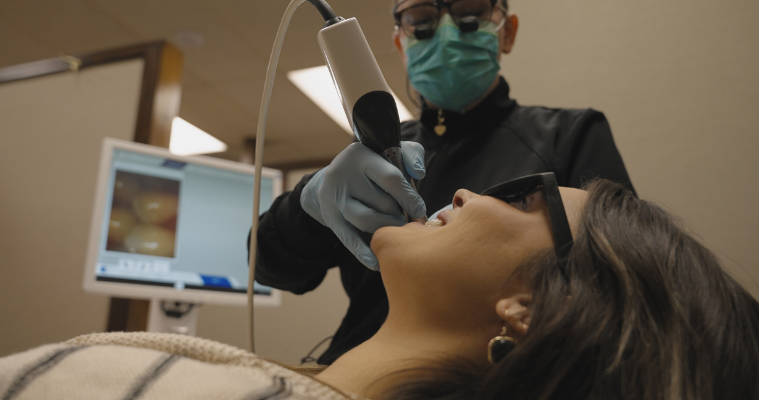
At Bel Drive Dental in Omaha, NE, we often see patients who’ve ignored a cracked tooth or worn-down filling for too long. The result? A weakened tooth that’s at risk of splitting, causing pain, infection, and even tooth loss. That’s why a custom dental crown—sometimes called a cap—is one of the most effective solutions to restore and protect your smile. We use today’s latest technology to offer our patients same-day crowns to make the treatment process as simple as possible. Worried about costs? We have financing solutions for you through CareCredit and Cherry Financing. We also offer our in-house dental savings plan to patients, providing them with an exclusive discount.
If you’re in Omaha and wondering whether you need a crown, schedule a consultation with us.
📍: 2456 S 120th St, Omaha, NE 68144
📞 : (402) 523-2705