

Teeth Cleaning & Dental Checkups in Omaha and Millard, NE
There are many ways you can play an active role in maintaining your oral health. Having your teeth cleaned in our office every six months is an excellent place to start. Our hygienists and dentists identify plaque and problem areas before thoroughly cleaning your teeth, providing you with information to sustain a happy, healthy smile.
Quick Answer: What Happens During a Dental Cleaning and Checkup?
A routine dental cleaning and checkup includes the removal of plaque and tartar buildup, an evaluation of your teeth and gums, oral cancer screening, and an examination for signs of cavities, gum disease, and other oral health concerns. Regular visits help keep your smile healthy and allow potential problems to be identified and treated early.
Why is it important to have consistent teeth cleanings and checkups?
Routine checkups are an essential part of proper oral hygiene. Some of the benefits of regular teeth cleanings include:
- Healthier bones and gums.
- Longer lasting teeth.
- Early detection and treatment of cancer and other oral health conditions.
- Beautiful, healthy smiles.
Keep Your Smile Healthy with Regular Check-Ups and Cleanings
Book your teeth cleaning and check-up appointment today to maintain good oral health and prevent any potential problems down the line.
What happens when we miss teeth cleanings?
Failure to keep up on proper oral hygiene can lead to:
- An impaired ability to eat and digest foods, leading to nutritional and systemic problems.
- Bad breath, resulting from advancing periodontal disease and/or rotting food particles.
- Negative effects on cardiovascular well-being and overall health.
- Gum infection and gangrene.
What to Expect at Your First Checkup
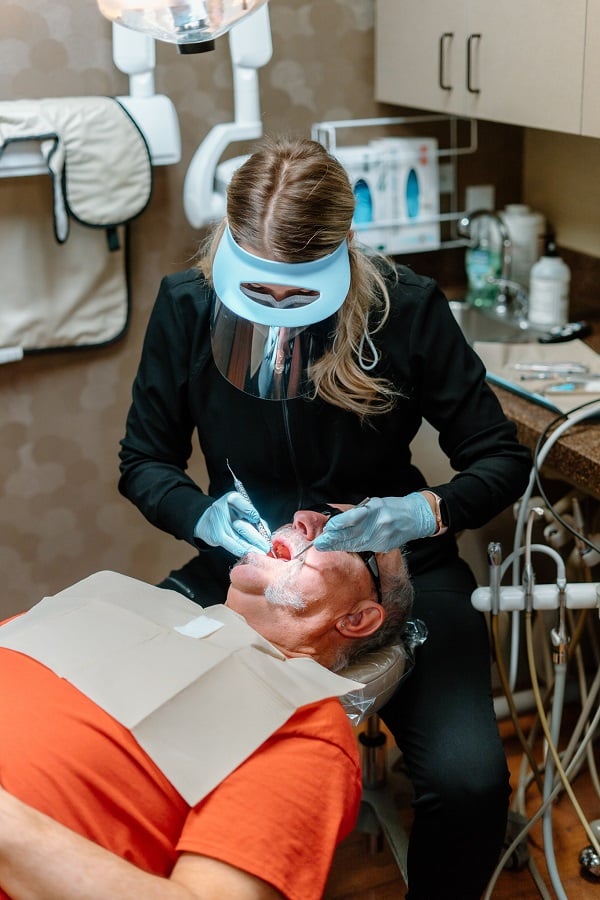
Our dental cleaning appointments are about an hour-long, and new patient visits typically last a bit longer. We take pride in getting to know each of our patients, tailoring treatments to the health needs and goals of every individual. Here’s what to expect the first time you come to our office:
- Dental History—A hygienist will gather dental and medical histories so that we have a clear picture of your current health, including any medical conditions that can impact dental treatment.
- Digital X-rays—We take digital x-rays as diagnostic material for your comprehensive oral exam. If you have had x-rays taken within the last 12 months, please have them sent to our office. If you are unable to have x-rays taken, please inform the hygienist as you give your medical history.
- Oral Screening and Teeth Exams—After we perform an oral cancer/lesion screening for symptoms of cancer and other illnesses, such as heart disease, cancer, and diabetes, we examine your teeth for decay.
- Gum Evaluation and Teeth Cleanings—Our hygienist will evaluate your gums, measuring periodontal pockets with a probe, and clean your teeth by identifying and removing areas of tartar, plaque, and calculus.
- Oral Hygiene Habits—We end your visit by reviewing and reinforcing proper oral hygiene.
Before Your Dental Cleaning and Checkup
If this is your first visit, bring a list of your medications and let us know about any changes to your health or concerns with your teeth or gums. You can also ask your previous dental office to send recent X-rays. Tell our team if you have tooth sensitivity or feel anxious about your appointment so we can discuss your needs before the cleaning begins.
Proper Oral Hygiene: How to Prevent Tooth Decay
There are several simple and affordable ways in which you can fight tooth decay—a common chronic health condition.
- Brush twice and floss once daily.
- Have dental cleanings and checkups twice a year.
- Eat fewer sugary and acidic foods.
- Take fluoride tablets, which make teeth more resistant to decay.
- Ask your dentist about additional cleaning supplements.
The Teeth Cleaning Procedure
When you come in for a cleaning, your dental hygienist identifies and removes plaque—a soft film that can be removed by brushing—and tartar—a hardened plaque that requires dental instruments for removal. We make every effort to clean all surfaces of your teeth, including the tiny spaces between your teeth and along gum-lines where bacteria gather.
We often complete the cleaning with prophy paste. Its coarse quality, which removes any remaining plaque as it dissolves into a finer texture, leaves the teeth shiny and smooth. We inform you of any areas where plaque and tartar build-up, so you can give those places extra attention by flossing and brushing each day. Our goal is to enable you to easily and effectively care for your teeth.
After Your Cleaning: Caring for Your Smile Between Visits
Before you leave, we’ll review any areas that need extra attention and discuss recommended follow-up care. Keep brushing twice a day and cleaning between your teeth daily. If your exam reveals a cavity or gum concern, we’ll explain the next steps and help you plan treatment. Your recommended return schedule will depend on your oral health.
Are there different kinds of teeth cleanings?
No. Prophylaxis—a fancy word for teeth cleaning—is the only dental procedure of its kind. Prophylaxis involves a routine teeth cleaning every six months.
The procedures that are sometimes called “cleanings” are actually periodontal treatments:
- Full Mouth Debridement—a pre-cleaning for those with severe calculus build up.
- Scaling and Root Planing—a deep cleaning for those with early stages of gum disease.
- Perio Maintenance—a periodontal cleaning for those with a history of gum disease.
The Cost of Teeth Cleaning
Most dental insurance policies include benefits that cover teeth cleanings. After all, not maintaining good oral hygiene will most likely lead to astronomical costs down the road, as failure to keep up with teeth cleanings often leads to serious and expensive health problems. Every patient’s budgetary situation is different, so we are happy to discuss yours with you. At a consultation, we present any possible costs up front to help you navigate your insurance benefits. Our main objective is to help you have a successful oral health experience.
Frequently Asked Questions About Teeth Cleanings & Checkups
How often should I get a dental cleaning and checkup?
Most patients should schedule a professional dental cleaning and exam every six months. Some patients with a history of gum disease or other oral health concerns may benefit from more frequent visits.
What happens during a routine dental cleaning?
During a professional cleaning, your dental hygienist removes plaque and tartar buildup from your teeth and along the gumline. Your teeth may also be polished to remove surface stains and leave them feeling smooth and clean.
What can a dentist detect during a checkup?
A routine dental exam can help identify cavities, gum disease, oral cancer, worn restorations, bite issues, and other oral health concerns before they become more serious.
What is the difference between a regular cleaning and a deep cleaning?
A routine prophylaxis cleaning is recommended for patients with healthy gums. Patients with signs of gum disease may require periodontal treatment such as scaling and root planing, which removes bacteria and buildup below the gumline.
Can regular cleanings help prevent gum disease?
Yes. Professional cleanings remove plaque and tartar buildup that can contribute to gum inflammation and periodontal disease, helping support healthier gums and overall oral health.
What happens if I skip regular dental cleanings?
Missing routine cleanings can allow plaque and tartar to accumulate, increasing the risk of cavities, gum disease, bad breath, tooth loss, and other oral health complications.
How long does a dental cleaning appointment take?
Most dental cleaning appointments take about an hour. New patient visits may take longer to allow time for a comprehensive exam, digital X-rays, and a review of your dental and medical history.
Are dental cleanings covered by insurance?
Many dental insurance plans include preventive care benefits that help cover routine cleanings and exams. Our team can help you understand your benefits and discuss any out-of-pocket costs before treatment.
Key Takeaways
- Regular dental cleanings and checkups help prevent cavities, gum disease, and other oral health problems.
- Professional cleanings remove plaque and tartar buildup that cannot be removed through brushing and flossing alone.
- Routine exams allow dentists to identify potential concerns early, often before symptoms develop.
- Your appointment may include digital X-rays, an oral cancer screening, a comprehensive exam, and a professional cleaning.
- Consistent preventive care can help maintain a healthier smile and reduce the need for more extensive treatment in the future.
Dental Cleanings for Omaha and Millard Patients
Bel Drive Dental welcomes patients from Omaha and Millard for routine cleanings, dental exams, and ongoing preventive care. Our office at 2456 S 120th St in Omaha provides a convenient place to keep up with checkups and get guidance tailored to your oral health. Whether you’re establishing care or getting back on schedule, we can help you plan your next visit.
Related Articles
- The Importance of Regular Dental Check-ups: Catch Problems Before They Start — learn why routine visits matter even when your teeth feel fine.
- Gingivitis and How to Prevent It — read about early signs of gum inflammation and everyday prevention.
Ready to Book?
Ready for a local dentist near you who puts you first?
Dr. Nielsen, Dr. Krajicek and Dr. Ferrante are excited to meet you!