
Wisdom Teeth Removal
Oral Examination for Extraction of Wisdom Teeth
Wisdom Teeth Presentation
To provide you with a better understanding of wisdom teeth, we have provided the following multimedia presentation. Many common questions pertaining to wisdom teeth are discussed.
With an oral examination and x-rays of the mouth, Dr. Nielsen, Dr. Krajicek and Dr. Ferrante can evaluate the position of the wisdom teeth and identify present or potential problems. Patients are often first evaluated in their teenage years by their dentist, orthodontist, or an oral and maxillofacial surgeon. An evaluation does not necessarily mean the teeth need to be removed; the recommendation depends on their position, health, and effects on nearby teeth and gums.
If removal is recommended, the treating clinician will discuss the procedure, anesthesia options, and where treatment will take place. Instructions will depend on your individual care plan.
Why might wisdom teeth need to be removed?
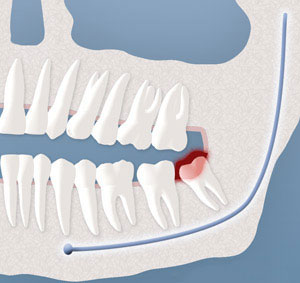
If you do not have enough room in your mouth for your third molars to fully erupt, problems can develop. Impacted wisdom teeth may be difficult to clean or may affect nearby teeth and gums. Your dentist can assess whether removal or continued monitoring is appropriate. Possible problems include:
Infection:
The most frequent clinical problem we see is pericoronitis, (a localized gum infection). Without enough room for total eruption, the gum tissue around the wisdom tooth can become irritated and infected, resulting in recurrent pain, swelling, and problems with chewing and/or swallowing.
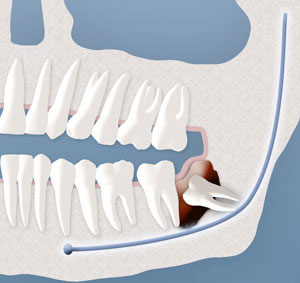
Cyst Formation:
A cyst can occasionally develop around an impacted wisdom tooth and affect nearby bone or teeth. Your dentist can use an examination and imaging to check for signs of this problem.
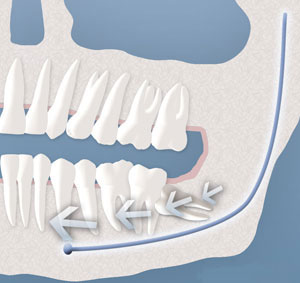
Possible Crowding:
Teeth can shift for several reasons during adolescence and adulthood. Your dentist will evaluate the position of your wisdom teeth along with any concerns about your bite or nearby teeth when discussing whether removal is appropriate.
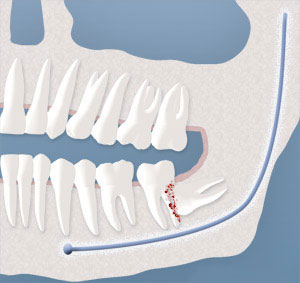
Damage to Adjacent Teeth:
If there is inadequate room to clean around the wisdom tooth, the tooth directly in front, the second molar, can be adversely affected resulting in gum disease, bone loss around the tooth, and/or decay.
What if I don’t have my wisdom teeth removed as a teenager or young adult?
Wisdom teeth can be evaluated at any age. If they are healthy, can be cleaned, and are not causing problems, your dentist may recommend monitoring them with regular exams and imaging when appropriate. If removal becomes necessary later, the complexity of treatment and recovery will depend on the position of the teeth and your individual health.
Before Wisdom Teeth Removal
At your consultation, discuss your medical history, medications, symptoms, and questions about anesthesia. The treating clinician will provide instructions specific to your procedure, including whether you need to avoid food or drinks and whether someone must accompany you home. Follow those instructions rather than a general fasting schedule.
What happens on the day wisdom teeth are removed?
Your experience will depend on the position of the teeth, the procedure, and the anesthesia selected. The treating clinician will review your plan in advance, explain what to expect during removal, and provide instructions for recovery.
If sedation is planned, arrange for a responsible adult to accompany you and follow the specific instructions you receive about eating, drinking, medications, and transportation. Let the care team know if you have not been able to follow those instructions or if your health or medications have changed since your consultation.

The Day of Treatment
If your treatment plan includes sedation, arrange for a responsible adult to accompany you and stay with you as directed by your treating clinician.
Recovery After Wisdom Teeth Removal
Some soreness and swelling are common after removal. Your care team will explain how to protect the extraction sites, what to eat, how to use any prescribed medication, and when to resume normal activities. Follow those instructions, and contact the treating office if bleeding, pain, or swelling is severe or worsens rather than improves. If you have questions about a medication interacting with your birth control, ask the prescribing clinician or pharmacist about the specific drug.
What does wisdom tooth removal cost and is it covered by insurance?
The fee for treatment depends on factors such as the number and position of the teeth, the complexity of removal, and the anesthesia plan. An examination and imaging are needed before an accurate estimate can be provided. Insurance coverage varies by plan; our team can help you understand the next steps for reviewing your benefits and any referral arrangements.
What if I have questions before surgery?
At the time of your consultation, your specific situation will be discussed in greater detail. We encourage you to ask any questions you may have. If new questions arise after your consultation, please call our office at Bel Drive Dental Office Phone Number (402) 523-2705 to speak to one of our patient care coordinators.

Preparing for Treatment
Follow the eating, drinking, medication, and transportation instructions provided for your specific procedure and anesthesia plan.
Wisdom Teeth Evaluations for Omaha and Millard Patients
Bel Drive Dental welcomes patients from Omaha and Millard for wisdom teeth evaluations at our office at 2456 S 120th St in Omaha. We can examine the teeth, review imaging when needed, and discuss whether monitoring, removal, or a referral is the appropriate next step.
Wisdom Teeth Removal FAQs
How painful is wisdom tooth extraction?
Wisdom teeth removal is performed with anesthesia to keep you comfortable during the procedure. Some pain, swelling, and soreness are normal during the first few days afterward, but these symptoms typically improve as the area heals.
How long is recovery from wisdom teeth removal?
Most patients experience the most soreness and swelling during the first few days after wisdom teeth removal and gradually return to normal activities within about a week. The extraction sites continue healing after you feel better, and complete healing can take several weeks.
When do wisdom teeth need to be removed?
Wisdom teeth may need to be removed when they are impacted, painful, infected, difficult to clean, or causing problems for nearby teeth or gums. Not every wisdom tooth requires extraction, so your dentist can evaluate its position and condition to determine whether removal is recommended.
Related Articles
- How Kids’ Dental Needs Change as They Grow — learn why monitoring wisdom teeth becomes part of dental care during the teen years.
Ready to Book?
Ready for a local dentist near you who puts you first?
Drs. Nielsen, Krajicek and Ferrante are excited to meet you!