

Deep Teeth Cleaning in Omaha and Millard, NE
The initial stage of treatment for periodontal disease is usually a thorough cleaning that may include scaling or root planing. The objective of these non-surgical procedures is to remove etiologic agents such as dental plaque and tartar, or calculus, which cause gingival inflammation and disease. Scaling and root planing can be used as a stand-alone treatment, or a preventative measure. They are commonly performed on cases of gingivitis and moderate to severe periodontal disease.
Quick Answer: What Is a Deep Teeth Cleaning?
A deep teeth cleaning, also known as scaling and root planing, is a non-surgical periodontal treatment used to remove plaque, tartar, and bacteria from below the gumline. Deep cleanings are commonly recommended for patients with gum disease and help reduce inflammation, promote healing, and protect the gums and bone that support the teeth.
Who Needs a Deep Teeth Cleaning?
Deep teeth cleanings are often recommended for patients who show signs of gum disease or have periodontal pockets that cannot be adequately cleaned with routine brushing, flossing, and regular dental cleanings. Dr. Nielsen and Dr. Krajicek may recommend scaling and root planing if you have bleeding gums, persistent bad breath, gum recession, tartar buildup below the gumline, or evidence of bone loss caused by periodontal disease.
Signs You May Need Scaling and Root Planing
- Bleeding gums when brushing or flossing
- Red, swollen, or tender gums
- Persistent bad breath
- Gum recession
- Loose teeth
- Deep periodontal pockets
- Heavy tartar buildup below the gumline
Before Your Deep Teeth Cleaning
Tell our team about changes to your medical history or medications, as well as any areas of pain or sensitivity. We will review your gum health, explain which areas need treatment, and discuss comfort options and any follow-up visits before starting.
What Do the Procedures Entail?
Dr. Nielsen, Dr. Krajicek or Dr. Ferrante will only perform scaling and root planing after a thorough examination of the mouth, which may include taking x-rays and visually examining the mouth. Depending on the condition of the gums, the amount of tartar present, the depth of the pockets, and the progression of periodontitis, Drs. Nielsen, Krajicek or Ferrante may recommend scaling and root planing. In some cases, a local anesthesia may be used during the procedure.
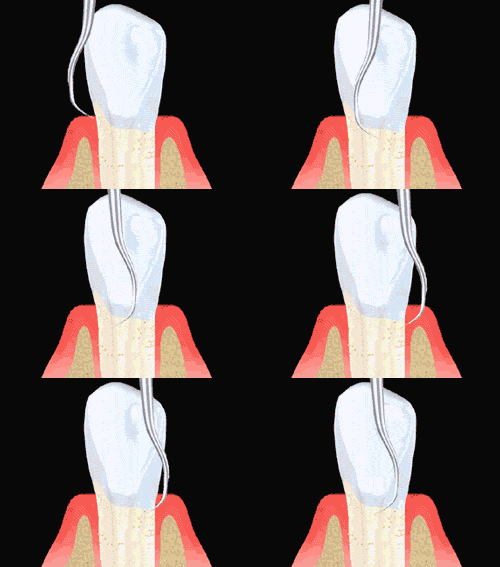
Scaling:
When scaling is performed, calculus and plaque that attaches to the tooth surfaces is removed. The process especially targets the area below the gum line, along the root. Scaling is performed with a special dental tool called an ultrasonic scaling tool. The scaling tool usually includes an irrigation process that can be used to deliver an antimicrobial agent below the gums to help reduce oral bacteria.
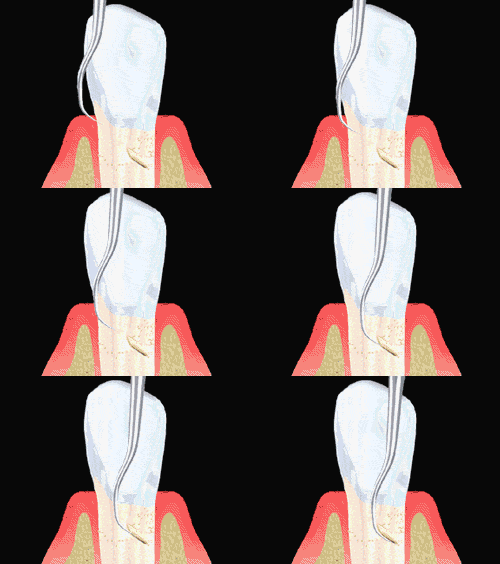
Root Planing:
Root planing is performed in order to remove cementum and surface dentin that is embedded with unwanted microorganisms, toxins and tartar. The root of the tooth is literally smoothed, which promotes healing, and also helps prevent bacteria from easily colonizing in the future.
Antibiotics or irrigation with anti-microbials (chemical agents or mouth rinses) may be recommended to help control the growth of bacteria that create toxins and cause periodontitis. In some cases, Drs. Nielsen, Krajicek or Ferrante may place antibiotic fibers in the periodontal pockets after scaling and planing. This may be done to control infection and to encourage normal healing.
When deep pockets between teeth and gums are present, it is difficult for Drs. Nielsen, Krajicek or Ferrante to thoroughly remove plaque and tartar. Patients can seldom, if ever, keep these pockets clean and free of plaque. Consequently, surgery may be needed to restore periodontal health.
Recovery After a Deep Teeth Cleaning
Following scaling and root planing, it is normal to experience mild sensitivity, tenderness, or slight gum irritation for a few days. Most patients can return to normal activities immediately after treatment.
Maintaining excellent oral hygiene and following any post-treatment instructions provided by Dr. Nielsen or Dr. Krajicek can help support healing and improve long-term periodontal health.
Follow-Up Care After Scaling and Root Planing
At a follow-up visit, we may reassess your gums and periodontal pockets to see how they have responded to treatment. Depending on your results, we may recommend ongoing periodontal maintenance to help manage gum disease. Contact our office if pain, swelling, or bleeding worsens rather than improves after treatment.
Benefits of Treatment
Helps Manage Gum Disease
Scaling and root planing remove bacteria that contribute to gum inflammation and periodontal disease. Reducing bacteria below the gumline can help the gums heal and may prevent the condition from becoming more advanced.
Protects Against Tooth Loss
When gum pockets deepen, bacteria can collect and damage the gum tissue and bone that support the teeth. Deep cleaning helps reduce harmful buildup and may help protect against further periodontal damage and tooth loss.
Improves Oral Health and Freshens Breath
Scaling and root planing can help reduce bad breath caused by bacteria and trapped food particles. Superficial stains may also be removed during treatment, helping your smile look and feel cleaner.
What Happens If Gum Disease Is Left Untreated?
If gum disease is not treated, bacteria can continue to damage the gums, connective tissues, and bone that support the teeth. Over time, this may lead to deeper periodontal pockets, gum recession, loose teeth, persistent bad breath, and eventual tooth loss.
When deep pockets between the teeth and gums are present, it can be difficult to keep those areas clean at home. In advanced cases, additional periodontal treatment or surgery may be needed to restore gum health.
Deep Teeth Cleaning in Omaha & Millard
At Bel Drive Dental, we provide deep teeth cleaning services to help patients throughout Omaha and Millard manage gum disease and maintain healthier smiles. Using modern periodontal techniques, Dr. Nielsen and Dr. Krajicek focus on comfortable, effective treatment that supports long-term oral health and helps prevent future complications.
Patients from Omaha and Millard can have their gum health evaluated at our office at 2456 S 120th St in Omaha. If scaling and root planing is recommended, our team will explain the areas to be treated and plan follow-up care based on your periodontal needs.
Frequently Asked Questions About Deep Teeth Cleaning
What is a deep teeth cleaning?
A deep teeth cleaning is a periodontal treatment that removes plaque, tartar, and bacteria from below the gumline to help manage gum disease.
Is a deep teeth cleaning the same as scaling and root planing?
Yes. Scaling and root planing is the clinical term for a deep teeth cleaning.
Does a deep teeth cleaning hurt?
Most patients tolerate treatment well. Local anesthesia may be used to help maximize comfort during the procedure.
How long does a deep teeth cleaning take?
Treatment time varies depending on the severity of gum disease and the number of areas being treated.
What happens after a deep teeth cleaning?
Mild tenderness and sensitivity are common for a few days. Following your dentist’s instructions and maintaining good oral hygiene can help support healing.
Can a deep teeth cleaning save my teeth?
In many cases, scaling and root planing can help stop periodontal disease progression and protect the gums and bone that support your teeth.
Will insurance cover a deep cleaning?
Many dental insurance plans provide benefits for scaling and root planing when medically necessary. Coverage varies by plan.
What is the difference between a deep cleaning and a regular cleaning?
A routine cleaning focuses on preventive care above the gumline, while a deep cleaning treats gum disease by removing bacteria and buildup from below the gumline.
Key Takeaways
- A deep teeth cleaning is a non-surgical treatment used to manage gum disease.
- Scaling and root planing remove plaque, tartar, and bacteria from below the gumline.
- Deep cleanings help reduce inflammation, improve gum health, and protect supporting bone.
- Patients with periodontal pockets, bleeding gums, or signs of gum disease may benefit from treatment.
- Early intervention can help prevent tooth loss and reduce the need for more extensive periodontal procedures.
Related Articles
- Gingivitis & How to Prevent It — learn about gum inflammation and when further treatment may be needed.
- Restore Your Gum Health — read more about gum disease care at Bel Drive Dental.
Schedule Your Deep Teeth Cleaning Consultation
If you have signs of gum disease or have been told you may need scaling and root planing, contact Bel Drive Dental today to schedule an appointment in Omaha or Millard, NE.
Ready to Book?
Ready for a local dentist near you who puts you first?
Drs. Nielsen, Krajicek and Ferrante are excited to meet you!