

Do I Need a Root Canal? 7 Signs It May Be Time to See a Dentist
A toothache doesn’t automatically mean you need a root canal. But when pain, sensitivity, swelling, or other symptoms come from inflammation or infection inside a tooth, root canal therapy may relieve discomfort and help save your natural tooth.
At Bel Drive Dental in Omaha, our goal is to identify why your tooth hurts and recommend the appropriate treatment, not simply treat the symptom.
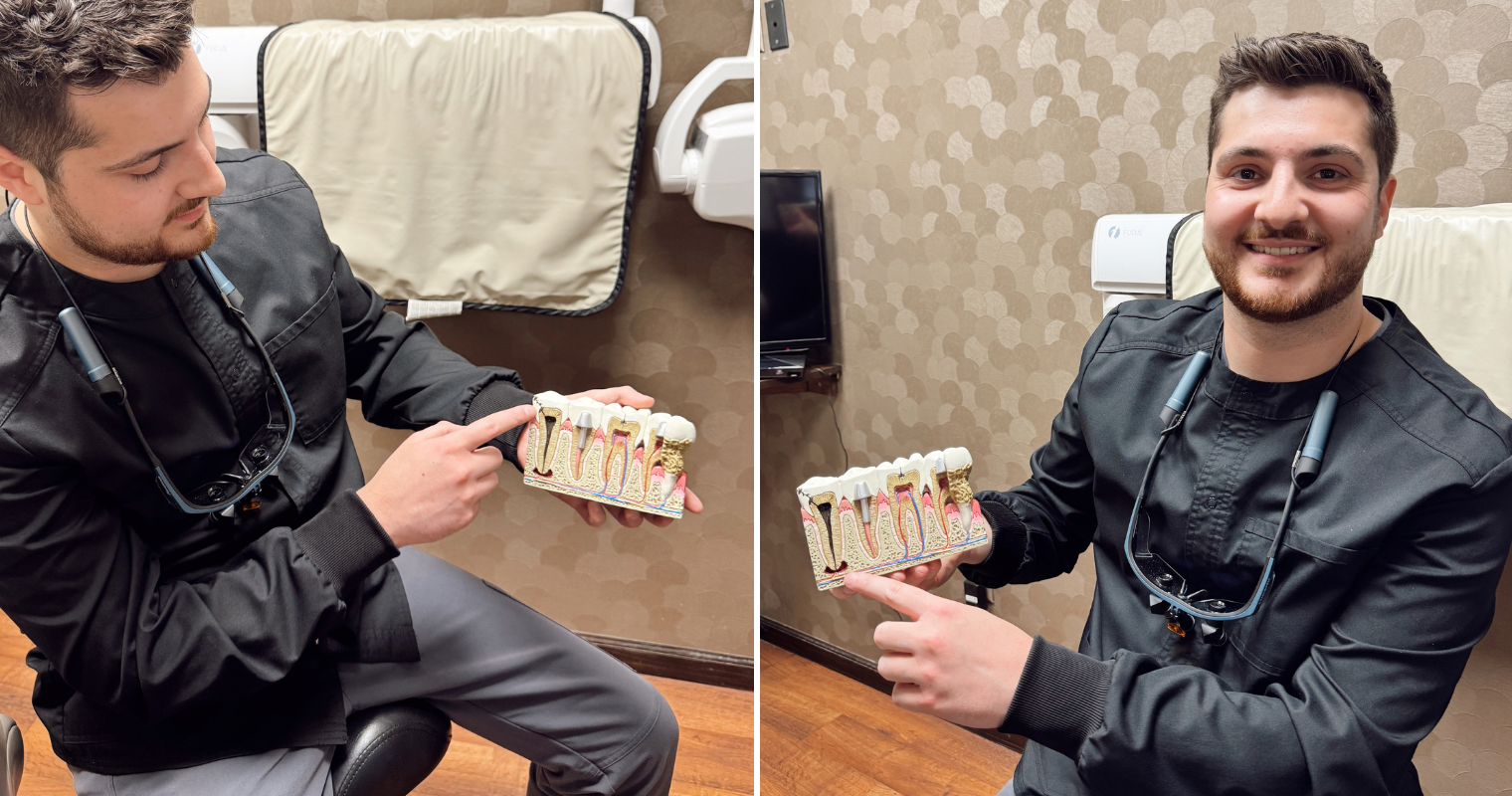
Dr. Joe Ferrante has a particular interest in root canal therapy, crowns, and dental emergencies. His solution-focused approach allows him to evaluate the tooth, determine what may be causing the problem, and develop a treatment plan based on the individual patient.
Quick Answer: How Do You Know If You Need a Root Canal?
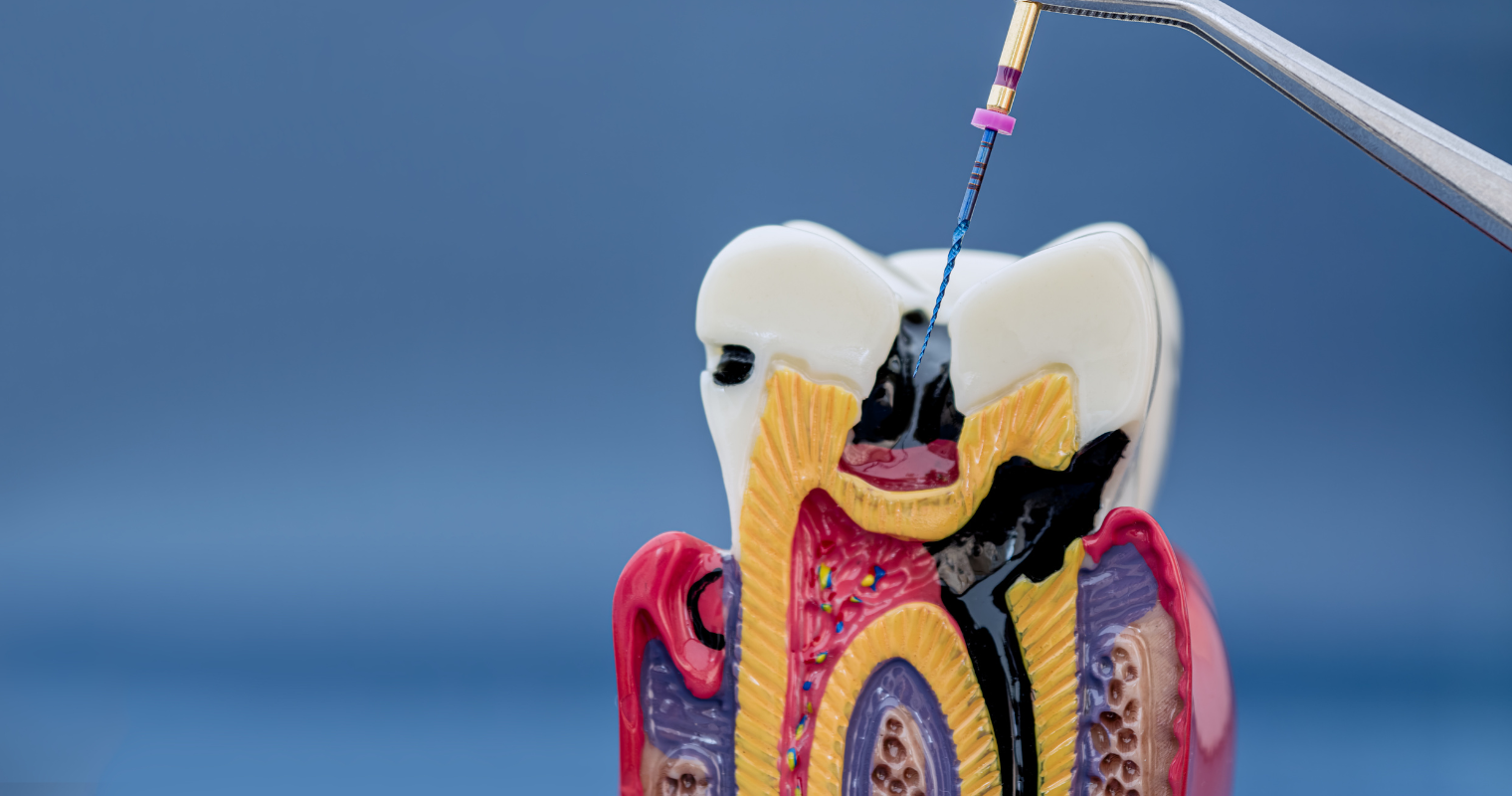
You may need a root canal when the pulp, the soft tissue inside your tooth that contains nerves and blood vessels, becomes severely inflamed or infected.
Common warning signs can include:
- Persistent or severe tooth pain
- Lingering sensitivity to hot or cold
- Pain when biting or chewing
- Swollen or tender gums
- A bump or pimple on the gums
- A cracked, broken, or severely decayed tooth
- A tooth becoming darker or discolored
These symptoms don’t always mean you need a root canal. A dental exam and, when appropriate, X-rays can help determine what is happening inside the tooth and which treatment makes sense.
1. Tooth Pain That Doesn’t Go Away
Persistent tooth pain is one of the most recognizable signs that something may be wrong.
Pain can come from many sources, including a cavity, a cracked tooth, a gum problem, or an infection. When the pulp inside the tooth becomes inflamed or infected, however, the discomfort may become increasingly difficult to ignore.
Rather than waiting for severe pain, schedule a dental evaluation if a toothache persists or keeps returning.
2. Sensitivity to Hot or Cold That Lingers
It’s normal for teeth to feel sensitive occasionally. What matters is how long the sensation lasts.
If a sip of hot coffee or cold water causes pain that continues after the temperature is gone, the nerve inside the tooth may be irritated or damaged.
Lingering sensitivity is worth having evaluated, especially if it is getting worse over time.
3. Pain When You Bite or Chew
Does one tooth hurt when you bite into food or put pressure on it?
Pain with chewing can have several causes, including a crack, infection, or inflammation around the tooth. Your dentist can evaluate the tooth to determine whether the problem involves the pulp and whether root canal therapy or another treatment is appropriate.
4. Swelling or Tenderness Around a Tooth
Swelling around a painful tooth can signal infection and shouldn’t be ignored.
You may notice tenderness in the gum tissue, localized swelling, or discomfort when touching the area. More significant swelling involving the face or jaw warrants prompt attention.
If swelling is accompanied by difficulty breathing or swallowing, seek emergency medical care.
5. A Bump on Your Gums
A small bump that resembles a pimple can sometimes develop on the gums near an infected tooth.
The bump may come and go and may not be painful. However, it can indicate an infection draining through the gum tissue.
Even if your tooth suddenly feels better, you may still need treatment for the underlying problem.
6. A Cracked, Broken or Deeply Decayed Tooth
The outer layers of a healthy tooth protect the sensitive pulp inside.
Deep decay, significant fractures, or dental trauma can allow bacteria to reach this tissue. If the pulp becomes irreversibly damaged or infected, a root canal may be recommended to remove the affected tissue while preserving the rest of the tooth.
This is one reason it’s important to address a damaged tooth early. Treatment may become more complex as decay or damage progresses.
7. Your Tooth Has Become Darker
Tooth color can change for several reasons. In some cases, especially after an injury, a tooth that becomes noticeably darker may indicate pulp damage.
A discolored tooth doesn’t automatically need a root canal, but a dentist should evaluate unexplained color changes to determine what’s happening beneath the surface.
Does a Toothache Always Mean I Need a Root Canal?
No.
Tooth pain can be caused by cavities, cracks, gum problems, bite issues, sensitivity and other dental conditions. Depending on what your dentist finds, treatment could be as simple as monitoring the tooth or placing a filling, or it could involve a crown, root canal or another procedure.
The important first step is finding the source of the problem.
What Happens If I Wait Too Long to Treat an Infected Tooth?
Dental infections generally don’t resolve on their own.
Without appropriate treatment, an infection may spread beyond the tooth and into the surrounding tissues. Waiting can also limit the options available to preserve the natural tooth.
Another important point: pain disappearing doesn’t necessarily mean the problem is gone. If the nerve inside a tooth dies, pain may decrease even though infection remains.
That’s why you should evaluate persistent pain, swelling, or other concerning symptoms rather than judge them by discomfort alone.
Root Canal Treatment With Dr. Joe Ferrante at Bel Drive Dental
For Dr. Joe Ferrante, dentistry combines healthcare, problem-solving, and hands-on craftsmanship.
Although he values the variety of general dentistry, Dr. Ferrante has a particular interest in root canal therapy and dental crowns. He also enjoys helping patients through dental emergencies and providing restorative treatment based on their individual oral health needs.
That combination can be especially valuable when a painful tooth needs more than a temporary solution.
When appropriate, root canal therapy removes infected or damaged tissue from inside the tooth. The Bel Drive team then cleans, disinfects, fills, and seals the area to help preserve the natural tooth.
Depending on the tooth and the amount of remaining healthy structure, a dental crown may also be recommended to provide additional protection after treatment.
Tooth Pain in Omaha? Start With an Evaluation
You don’t need to determine for yourself whether you need a root canal.
If you’re experiencing persistent tooth pain, sensitivity, swelling, or discomfort when chewing, the team at Bel Drive Dental can evaluate the problem and discuss your treatment options.
Our goal is to help identify the cause, relieve discomfort, and find a solution that protects your oral health whenever possible.
Experiencing tooth pain or think you may need a root canal? Contact Bel Drive Dental in Omaha to schedule an evaluation.

Root Canal FAQs
Can a tooth need a root canal without hurting?
Yes. Not every tooth that needs root canal treatment causes significant pain. A damaged nerve may eventually stop producing pain even though infection or other problems remain. Dental X-rays and an examination can help identify issues that aren’t obvious from symptoms alone.
How does a dentist know if I need a root canal?
Your dentist will evaluate your symptoms, examine the tooth, and may perform diagnostic tests or take X-rays. These findings help determine whether the pulp is healthy, inflamed, or infected and whether root canal therapy is appropriate.
Can antibiotics fix an infected tooth instead of a root canal?
Antibiotics may be used in certain situations involving a dental infection, but they don’t remove infected or damaged pulp from inside a tooth. Your dentist must identify and treat the source of the infection.
Is it better to have a root canal or pull the tooth?
It depends on the tooth’s condition. If a tooth can be predictably restored, root canal therapy may let you keep your natural tooth. If the tooth can’t be restored successfully, your dentist may recommend extraction. Your dentist can explain the benefits and limitations of each option based on your situation.
Do I need a crown after a root canal?
Not every root canal-treated tooth requires the same restoration. Crowns are commonly recommended for back teeth and teeth that have lost significant structure because they can help protect the remaining tooth. Your dentist will recommend a restoration based on your tooth’s location and condition.